
edit.jpg "Biochemistry Student Working in Lab")
Masters in Biochemistry and Molecular Biology
A two-year, thesis-based program, the Master of Science (MS) in Biochemistry and Molecular Biology is an interdisciplinary program offering students opportunities to explore research in a wide range of topics, including cancer etiology and therapeutics, molecular virology, eukaryotic gene transcription and regulation, molecular immunology, prokaryotic and eukaryotic genetics, and molecular cardiology. With faculty from every basic science department on campus, we offer customized educational and research experiences to meet each student's goals.
Study at One of the Nation's Top Biochemistry Programs
The Biochemistry and Molecular Biology Masters Degree program at 草莓社区 has once again been recognized by Best Value Schools, ranking #5 for the second year in a row among the . This reflects our commitment to excellence in research, innovation, and student success, making our program an exceptional choice for aspiring biochemists.
Our Commitment To You
Graduates will possess the following knowledge, skills, and professional values required to enroll in a PhD or MD program, pursue a career in academia or the Biotech industry, or become educators.
KNOWLEDGE
- Foundational understanding of advanced biochemistry, molecular biology, and cell biology pertaining to biomedical sciences
- Understand the theoretical and practical approaches to conduct biomedical research
- Understand how to manage statistical analysis of data
SKILLS
- Read and analyze primary literature and data
- Present research in verbal and written formats
- Develop a scientific proposal with a strong rationale, hypothesis, and experimental approaches
- Hands-on laboratory techniques that are customizable to each project and each student鈥檚 interests in state-of-the-art laboratories
PROFESSIONAL VALUES
- Conduct ethical and responsible research, while recognizing issues such as plagiarism, research objectivity, and conflicts of interest
- Understand the importance of being a lifelong learner
- Value teamwork in the pursuit of a research goal
- Learn to critically analyze your research results and become adept at applying critical analysis to the other investigators' research
Curriculum
Students must complete a minimum of 30 credits during the two-year MS program. Graduate classes are small, providing a highly personalized learning experience. In addition to regular coursework, students must enroll in the Biochemistry and Molecular Biology Journal Club (which allows students to present seminars on current research articles of their choice) and the Biochemistry and Molecular Biology Seminar (a dynamic series in which nationally-recognized investigators present their research and meet with students). Following the first semester, students will identify an advisor, join their lab, and conduct independent, original research projects.
YEAR 1 - FALL
- Molecular Biochemistry
- Cell Biology
- Methods in Biological Sciences
- Ethics in Biomedical Sciences
- Research Rotations
YEAR 1 - SPRING
- Molecular Biology
- Biostatistics
- Elective #1
- Research in advisor's lab
YEAR 1 - SUMMER
- Research in advisor's lab
- Thesis proposal approval by Thesis Committee
YEAR 2
- Research in advisor鈥檚 lab
- Write and defend MS thesis
Course Catalog
Admission
Ready to apply? This is a good place to start.
DEADLINES
We accept and evaluate applications for the MS in Biochemistry and Molecular Biology on a rolling basis. Early application is encouraged; we begin evaluating applications in January. The deadline for all application materials is June 15. We prefer applications submitted online rather than through the mail; please expect a 7-10 day delay if you submit your application via mail. Please note: transcripts and test scores are the only documents that cannot be uploaded with an application. Instead, please email those directly to: gradapp@luc.edu.
APPLICATION PROCESS
- COMPLETED APPLICATION
. If unable to apply online, mail application to:
Graduate and Professional Enrollment Management
草莓社区
820 N. Michigan Avenue, Suite 1200
Chicago, IL 60611 - PERSONAL STATEMENT AND RESUME
A personal statement and current resume/CV are required. - OFFICIAL TRANSCRIPTS
Applicants must have a bachelor's degree (at minimum) to apply. Transcripts for all undergraduate and graduate work are required for admission. - LETTERS OF RECOMMENDATION
Applicants must submit three letters of recommendation. - STATEMENT OF PURPOSE
Your statement of purpose should be a brief, one page statement explaining your interest in this program and research experience, if any. - INTERVIEW
A personal interview is required for admission. Interviews will be conducted via video (e.g. Zoom).
INTERNATIONAL APPLICANTS
International applicants must have a degree equivalent to a U.S. Bachelor's degree and are required to submit the above documents as well as:
- TOEFL or IELTS scores
- A Declaration and Certification of Finances Form
- Evaluations of international transcripts sent by any member organization of NACES ().
Please visit our page for more details!
Questions? Contact Student Program Recruiter Patrick Hulseman.
.
Tuition and Financial Aid
Loyola's Biomedical Sciences Graduate Programs and Loyola's Financial Aid Office are committed to helping students secure the financial resources to make their education affordable. Tuition includes all research supplies and equipment.
Faculty
Clodia Osipo, Ph.D., Professor and Graduate Program Director, Department of Cancer Biology
Maurizio Bocchetta, PhD, Associate Professor, Department of Cancer Biology
, Professor, Department of Surgery/Microbiology and Immunology
Mitchell Denning, PhD, Professor, Department of Cancer Biology, Associate Dean for Graduate Education
Sean Fanning, PhD, Associate Professor, Department of Cancer Biology
Ali Vaziri-Gohar, PhD, Assistant Professor, Department of Cancer Biology
, Assistant Professor, Department of Pharmacology and Neuroscience
Associate Professor, Department of Cancer Biology
Professor, Department of Microbiology and Immunology
Professor, Department of Surgery and Cancer Biology
Jonathan Rennhack, PhD, Assistant Professor, Department of Cancer Biology
, Assistant Professor, Department of Microbiology and Immunology
Professor and Chair, Department of Cancer Biology
Professor, Department of Cancer Biology
Steven Kregel, Ph.D., Assistant Professor, Department of Cancer Biology
Keith Jones, Ph.D., Professor, Department of Pharmacology
Jordan Beach, PhD, Associate Professor, Department of Physiology
Patrick Oakes, PhD, Associate Professor, Department of Physiology
Derek Wainwright, PhD, Associate Professor, Department of Cancer Biology
Nan Sethakorn, M.D./Ph.D., Assistant Professor, Department of Medicine
Outcomes
The MS Program in Biochemistry and Molecular Biology trains students in the basic science and methodology of Biochemistry and Molecular Biology, helping them to apply this knowledge in careers as research assistants in academia, Bioetech, or as educators. Graduates often seek additional education in MD and/or PhD programs. More than half of program graduates work in industry or academia.
News & Events
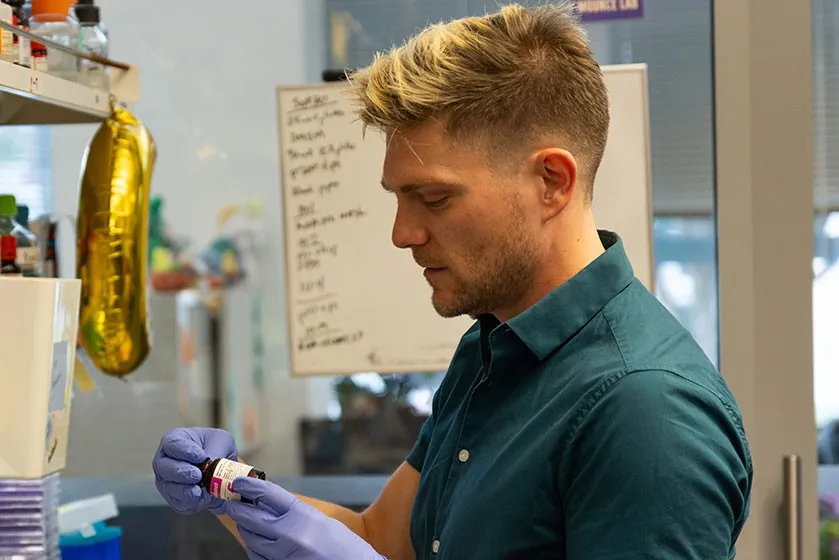
Researchers Uncover New Antiviral Targets
Loyola Chicago Researchers Uncover New Antiviral Targets in Cellular Metabolism
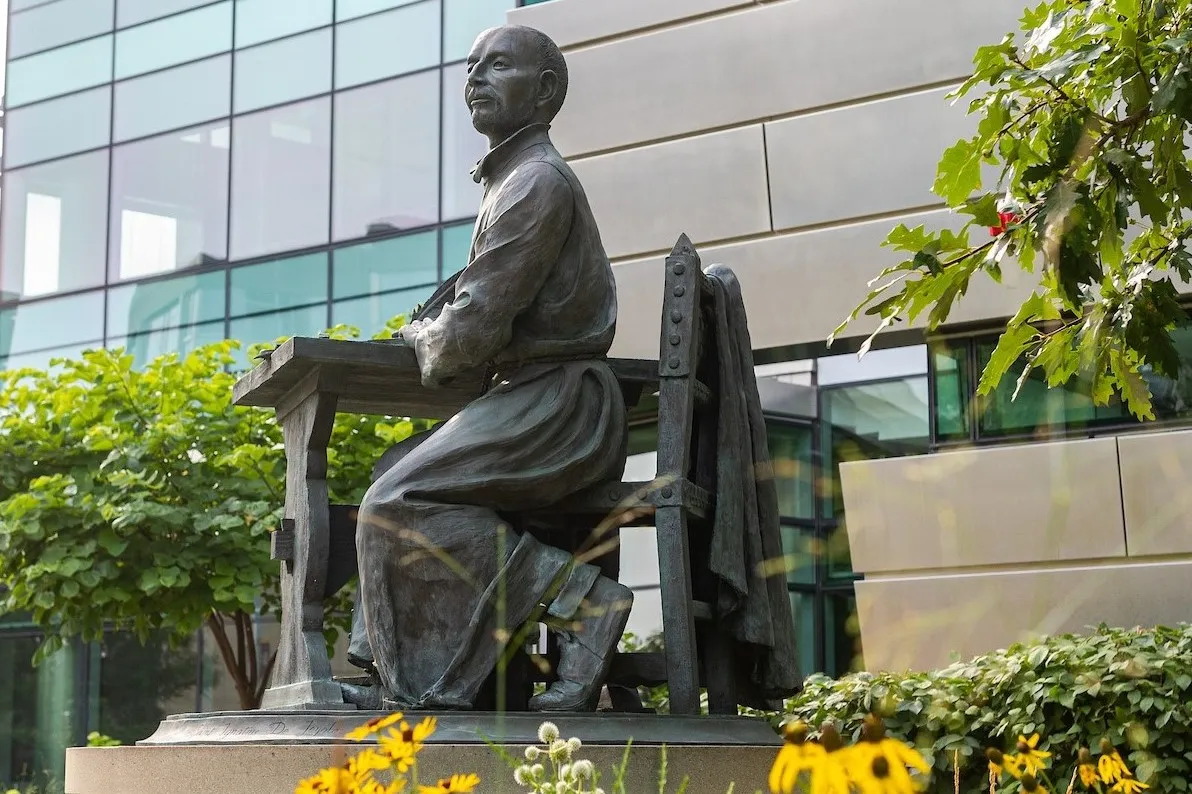
Neuroscience & Biochemistry Graduate Programs Earn Top National Rankings
草莓社区's Neuroscience & Biochemistry Master's Programs Earn Top National Rankings by Best Value Schools
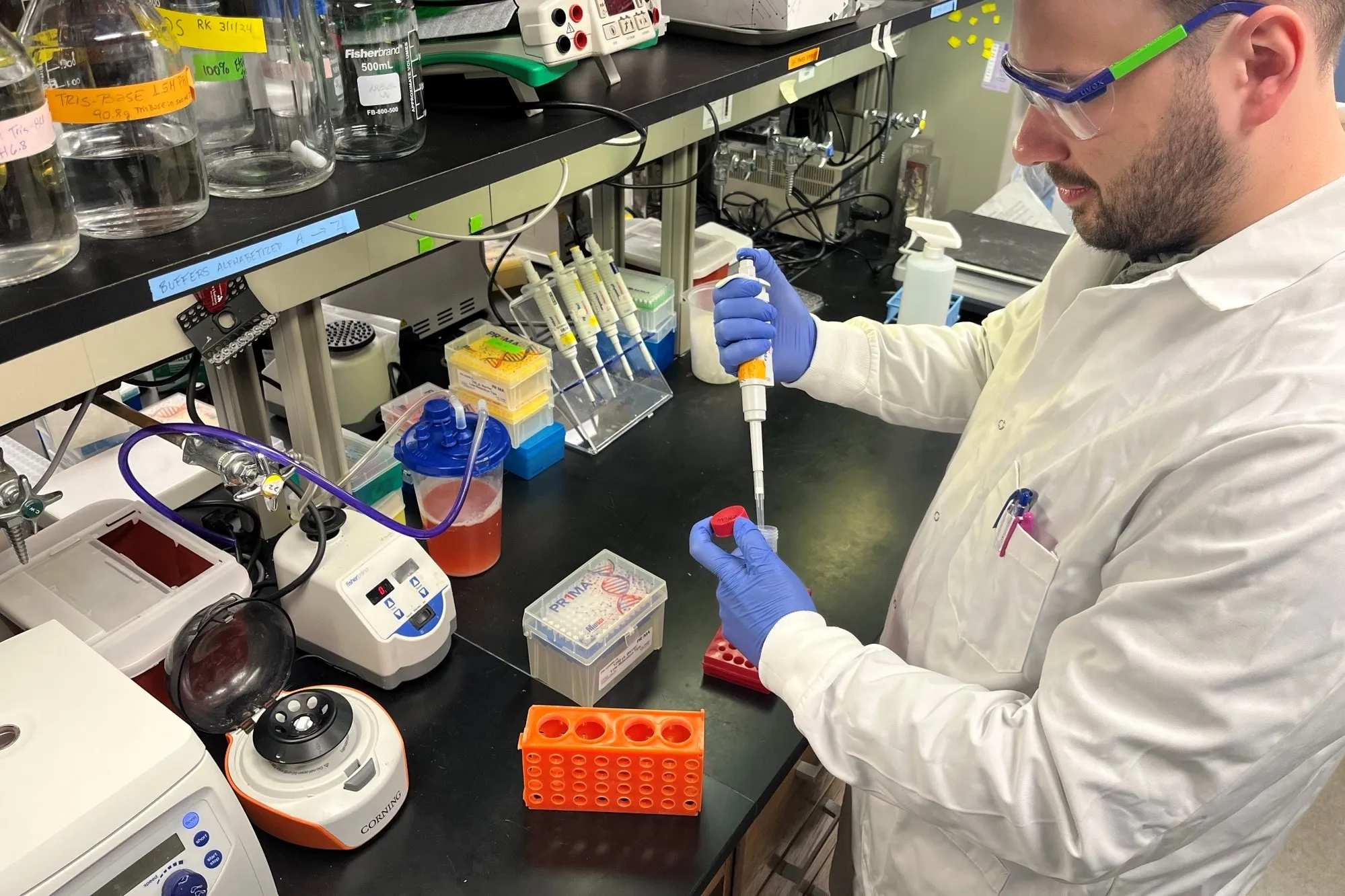
Researchers Uncover New Role for Transcription Factor in Castration-Resistant Prostate Cancer
Researchers discover a new role for a transcription factor in castration-resistant prostate cancer, showing potential targets for effective treatments